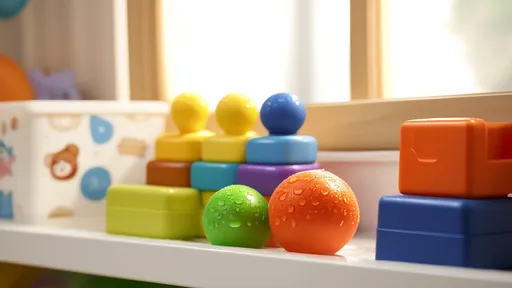
Keeping children's plastic toys clean is an essential part of maintaining a hygienic play environment. Parents and caregivers often wonder how frequently these toys should be washed to ensure they remain safe for little hands. Unlike other household items, plastic toys are handled daily, exposed to dirt, saliva, and germs, making regular cleaning a necessity. However, determining the right cleaning schedule depends on several factors, including usage frequency, the child's age, and whether the toys are shared among siblings or playgroups.
The Importance of Regular Cleaning
Plastic toys, especially those used by infants and toddlers, are prone to accumulating bacteria and viruses. Young children often put toys in their mouths, transferring saliva and food particles onto surfaces. In shared environments like daycare centers, the risk of germ transmission increases significantly. Regular cleaning not only prevents the spread of illnesses but also extends the lifespan of the toys by removing grime that can degrade plastic over time.
For heavily used toys, a weekly cleaning routine is advisable. Items that are chewed on or handled during meals should be sanitized more frequently—ideally after each use. Toys that are rarely played with may only require a monthly wipe-down. Observing how often a toy is used and in what context helps in establishing a practical cleaning schedule.
Choosing the Right Cleaning Method
Not all plastic toys can be cleaned the same way. Some are dishwasher-safe, while others may warp or crack under high heat. For most plastic toys, a mild soap and warm water solution is sufficient. A soft cloth or sponge can be used to scrub away dirt, followed by a thorough rinse to remove any soap residue. For disinfecting, a diluted bleach solution or vinegar can be effective, but it’s crucial to rinse the toys well afterward to avoid chemical exposure.
Electronic or battery-operated plastic toys require extra care. Instead of submerging them in water, wiping them with a damp cloth and a small amount of disinfectant is safer. Always check manufacturer guidelines before cleaning, as some toys may have specific care instructions to prevent damage.
Special Considerations for Different Age Groups
Infants and toddlers, who are more likely to mouth their toys, require stricter cleaning protocols. Toys for this age group should be cleaned daily if used frequently. Soft plastic teethers and rattles, in particular, should be sanitized after each use to prevent bacterial buildup. As children grow older and the habit of mouthing toys decreases, cleaning frequency can be adjusted accordingly.
For preschoolers and older children, toys that are used outdoors or in communal spaces should be cleaned more often. Sandbox toys, ride-on vehicles, and sports equipment collect dirt and germs quickly. A rinse after outdoor play and a deeper clean every few weeks can help maintain hygiene without being overly burdensome.
Signs That a Toy Needs Immediate Cleaning
Sometimes, toys require cleaning outside the usual schedule. Visible dirt, sticky residues, or unpleasant odors are clear indicators that a toy needs attention. If a child has been sick, their toys should be sanitized immediately to prevent reinfection or spreading germs to others. Toys that have been dropped in public places or handled by multiple children should also be cleaned before returning to playtime rotation.
Stuffed animals or fabric-covered plastic toys may need more frequent washing, as they can harbor dust mites and allergens. While plastic components can be wiped down, fabric parts might require machine washing or spot cleaning, depending on the material.
Long-Term Maintenance and Storage
Proper storage plays a role in keeping plastic toys clean between washes. Storing toys in bins with lids or on shelves reduces dust accumulation. Avoid damp areas, as moisture can promote mold growth on plastic surfaces. Periodically inspecting toys for wear and tear is also important—cracked or broken toys can harbor bacteria in hard-to-reach crevices and may need to be discarded.
Establishing a consistent cleaning routine ensures that children’s toys remain safe and enjoyable. By considering usage patterns, age-appropriate cleaning methods, and storage conditions, parents can strike a balance between hygiene and practicality. Clean toys not only protect children’s health but also contribute to a more organized and pleasant play environment.
By /Aug 6, 2025
By /Aug 6, 2025

By /Aug 6, 2025
By /Aug 6, 2025
By /Aug 6, 2025

By /Aug 6, 2025

By /Aug 6, 2025

By /Aug 6, 2025

By /Aug 6, 2025

By /Aug 6, 2025

By /Aug 6, 2025

By /Aug 6, 2025

By /Aug 6, 2025

By /Aug 6, 2025
By /Aug 6, 2025

By /Aug 6, 2025
By /Aug 6, 2025
By /Aug 6, 2025

By /Aug 6, 2025
By /Aug 6, 2025
