The washing machine is one of the most essential appliances in modern households, tirelessly working to keep our clothes clean and fresh. However, one of its most overlooked components—the rubber seal or gasket—often becomes a breeding ground for mold and mildew. These unsightly black spots not only look unpleasant but can also lead to unpleasant odors and even affect the cleanliness of your laundry. Over time, neglecting this issue may compromise the efficiency of your machine and, in severe cases, shorten its lifespan.
Many people assume that because the washing machine cleans clothes, it must also clean itself. Unfortunately, this is far from the truth. The rubber gasket, especially in front-loading machines, remains damp after cycles, creating a perfect environment for mold spores to thrive. Warmth, moisture, and residual detergent or fabric softener residues contribute to the problem. Left unchecked, these mold colonies can spread, leading to persistent musty smells and potential health concerns for those with allergies or respiratory sensitivities.
Understanding why mold forms is the first step in tackling it effectively. The rubber seal’s primary function is to prevent water from leaking out during the wash cycle, but its folds and crevices trap moisture, detergent buildup, and lint. Over time, organic matter from clothing, such as skin cells or fabric fibers, accumulates in these areas, providing nutrients for mold growth. Front-loading machines are particularly susceptible due to their horizontal drum orientation, which keeps the gasket in constant contact with water and debris.
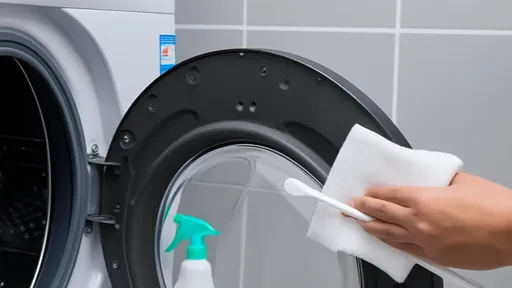
Preventing mold requires consistent maintenance rather than occasional deep cleaning. After each wash, leaving the door ajar allows air to circulate, drying out the gasket and drum. Wiping down the seal with a dry cloth removes excess moisture and any visible debris. Some homeowners find success in using a mixture of vinegar and water as a weekly wipe-down solution, as vinegar’s mild acidity helps inhibit mold growth without damaging the rubber. Additionally, using high-efficiency (HE) detergents in the correct amounts reduces soap buildup, which can otherwise feed mold.
When mold has already taken hold, a more thorough approach is necessary. A paste made from baking soda and water can be applied to the affected areas, left to sit for several minutes, and then scrubbed away with a soft brush. For stubborn stains, hydrogen peroxide or a diluted bleach solution (one part bleach to ten parts water) can be used cautiously, ensuring proper ventilation. It’s crucial to rinse the gasket thoroughly afterward to prevent chemical residue from damaging the rubber or transferring onto clothes in future cycles.
In cases where mold persists despite regular cleaning, inspecting the machine’s drainage system may be worthwhile. A clogged or slow-draining pump can leave excess water in the drum, exacerbating moisture retention. Some modern washing machines have a "clean cycle" feature designed to sanitize the drum and gasket, often using high temperatures to kill mold spores. Running this cycle monthly—or as recommended by the manufacturer—can significantly reduce the likelihood of recurrence.
Replacing the rubber gasket is a last resort but may be necessary if the mold has caused permanent damage or if the seal has become brittle and cracked. While this task can be DIY for those comfortable with appliance repair, consulting a professional ensures proper installation and avoids further damage to the machine. Investing in a high-quality replacement gasket, preferably one with antimicrobial properties, can provide longer-term protection against future mold growth.
Beyond mechanical solutions, adjusting laundry habits can make a difference. Avoiding overloading the machine ensures proper water circulation and reduces the amount of debris trapped in the gasket. Removing wet clothes promptly after cycles prevents prolonged moisture exposure. For households in humid climates, using a dehumidifier in the laundry room can help maintain an environment less conducive to mold development.
The battle against washing machine mold is ongoing but manageable with the right knowledge and routine. By incorporating simple preventive measures and addressing minor mold growth before it becomes severe, homeowners can maintain a fresher, more hygienic washing machine. Not only does this protect your appliance’s functionality, but it also ensures that the machine tasked with cleaning your clothes isn’t secretly making them dirtier.
By /Aug 6, 2025
By /Aug 6, 2025

By /Aug 6, 2025

By /Aug 6, 2025
By /Aug 6, 2025

By /Aug 6, 2025

By /Aug 6, 2025

By /Aug 6, 2025

By /Aug 6, 2025

By /Aug 6, 2025

By /Aug 6, 2025

By /Aug 6, 2025

By /Aug 6, 2025

By /Aug 6, 2025

By /Aug 6, 2025

By /Aug 6, 2025

By /Aug 6, 2025

By /Aug 6, 2025

By /Aug 6, 2025

By /Aug 6, 2025
