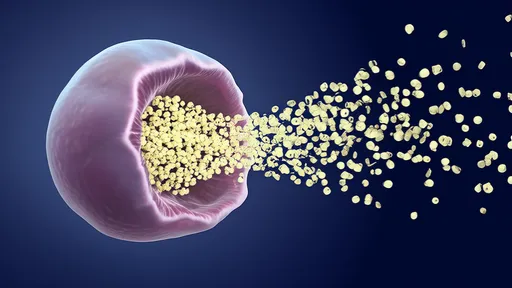
The phenomenon of enzymatic browning in potato slices is a common yet frustrating occurrence in both home kitchens and industrial food processing. When potatoes are cut or bruised, their cells are damaged, releasing enzymes like polyphenol oxidase (PPO) that react with oxygen in the air. This oxidation process leads to the formation of melanin, resulting in unappetizing brown or gray discoloration. While this doesn’t necessarily render the potatoes unsafe to eat, it significantly impacts their visual appeal and can affect consumer perception. Addressing this issue requires a combination of chemical, physical, and even biological interventions to preserve the natural color and freshness of potato slices.
Understanding the Science Behind Enzymatic Browning
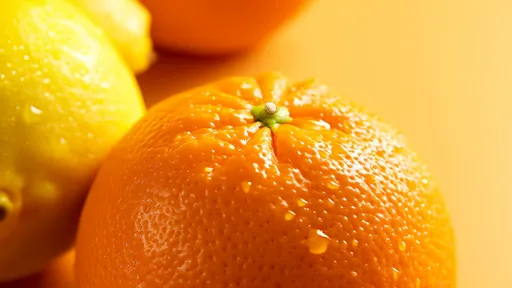
Enzymatic browning is a biochemical reaction that occurs when phenolic compounds in potatoes, such as chlorogenic acid, come into contact with PPO in the presence of oxygen. The reaction progresses rapidly, especially at room temperature, turning the flesh of the potato from creamy white to an undesirable brown. Factors such as pH, temperature, and the presence of certain inhibitors can either accelerate or slow down this process. For instance, acidic environments tend to inhibit PPO activity, which is why lemon juice or vinegar is often used as a quick home remedy to prevent browning. However, in commercial settings, more sophisticated methods are employed to maintain potato quality over extended periods.
Traditional and Household Methods for Preventing Browning
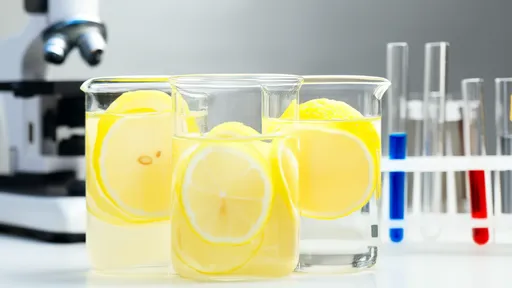
One of the simplest ways to prevent enzymatic browning in potato slices is by submerging them in water immediately after cutting. Water acts as a barrier, limiting the potato’s exposure to oxygen. However, this method is only a temporary solution, as prolonged soaking can lead to nutrient loss and a soggy texture. Another popular approach involves the use of citric acid or ascorbic acid (vitamin C), which not only lowers the pH but also acts as an antioxidant. A light sprinkle of lemon juice over freshly cut potatoes can delay browning for several hours. Blanching—briefly immersing the slices in hot water—is another effective technique, as the heat denatures the PPO enzyme, rendering it inactive. However, blanching must be carefully controlled to avoid overcooking the potatoes.
Industrial Solutions for Large-Scale Preservation
In food processing facilities, preventing enzymatic browning in potato slices requires more advanced techniques. Sulfiting agents, such as sodium bisulfite, have historically been used due to their strong anti-browning properties. However, concerns over sulfite allergies and regulatory restrictions have led to the exploration of alternative solutions. Calcium ascorbate, a combination of calcium and ascorbic acid, is now widely used as a safer and equally effective treatment. Modified atmosphere packaging (MAP), where oxygen is replaced with nitrogen or carbon dioxide, also helps extend shelf life by minimizing oxidative reactions. Additionally, some processors employ edible coatings made from plant-based proteins or polysaccharides to create a protective layer around the slices.
Emerging Technologies and Future Trends
Recent advancements in food science have introduced innovative methods to combat enzymatic browning. High-pressure processing (HPP) and pulsed electric fields (PEF) are non-thermal techniques that disrupt enzyme activity without compromising texture or flavor. Genetic engineering is another frontier, with researchers developing low-PPO potato varieties through selective breeding or CRISPR technology. Natural extracts from herbs like rosemary or green tea, rich in polyphenols and antioxidants, are also being studied for their potential as browning inhibitors. As consumer demand for clean-label and minimally processed foods grows, the industry continues to seek sustainable and natural solutions to keep potato slices looking fresh and appealing.
Practical Tips for Home Cooks and Food Handlers
For those handling potatoes in smaller quantities, a few practical steps can make a significant difference. Storing cut potatoes in cold water with a splash of vinegar or lemon juice can buy time before cooking or serving. Using sharp knives to minimize cell damage and working quickly to reduce exposure to air are simple yet effective strategies. If preparing potatoes in advance, vacuum-sealing or covering them tightly with plastic wrap can slow down oxidation. Understanding these principles not only helps in maintaining the aesthetic quality of potato dishes but also reduces food waste—a critical consideration in both household and commercial kitchens.
The Bigger Picture: Reducing Waste and Enhancing Quality
Enzymatic browning isn’t just a cosmetic issue; it has economic and environmental implications. Discolored potatoes are often discarded, contributing to food waste. By adopting effective anti-browning techniques, businesses can improve product longevity and reduce losses. For consumers, knowing how to properly store and treat cut potatoes ensures that they remain fresh and appetizing. As research progresses, the integration of traditional knowledge with modern technology promises even better solutions for preserving the natural qualities of potatoes, benefiting everyone from farmers to end consumers.
By /Jul 24, 2025
By /Jul 24, 2025
By /Jul 24, 2025
By /Jul 24, 2025
By /Jul 24, 2025

By /Jul 24, 2025
By /Jul 24, 2025

By /Jul 24, 2025
By /Jul 24, 2025
By /Jul 24, 2025
By /Jul 24, 2025
By /Jul 24, 2025
By /Jul 24, 2025
By /Jul 24, 2025
By /Jul 24, 2025
By /Jul 24, 2025
By /Jul 24, 2025
By /Jul 24, 2025
By /Jul 24, 2025

By /Jul 24, 2025
