In the realm of food processing and preservation, the technique of low-temperature osmotic dehydration has garnered significant attention for its ability to enhance the quality and shelf life of vegetables. Among the various methods employed, saline water immersion stands out as a cost-effective and efficient approach. This process leverages the principles of osmosis to draw out moisture from vegetables, thereby reducing their water activity and inhibiting microbial growth. The interplay between temperature, salt concentration, and immersion duration plays a pivotal role in determining the dehydration rate and final product quality.
The science behind low-temperature osmotic dehydration is rooted in the movement of water molecules across semi-permeable membranes. When vegetables are submerged in a hypertonic saline solution, the difference in solute concentration between the vegetable cells and the surrounding solution creates a driving force for water to migrate outward. Unlike high-temperature drying methods, which can degrade texture and nutritional content, low-temperature processing preserves the structural integrity and bioactive compounds of the vegetables. This makes it particularly appealing for producing minimally processed, nutrient-rich food products.
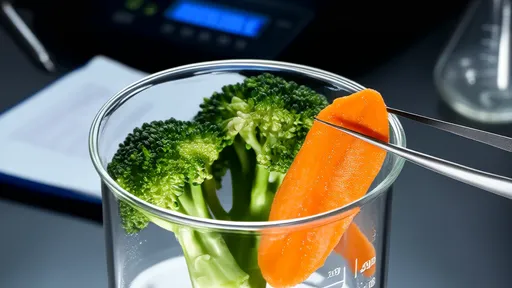
One of the critical factors influencing the dehydration rate is the salt concentration of the brine. Studies have shown that higher salt concentrations generally accelerate moisture removal due to the increased osmotic pressure gradient. However, there is a delicate balance to strike—excessive salt can lead to over-dehydration, resulting in an unpleasantly tough texture and overly salty taste. Optimal salt concentrations typically range between 5% and 15%, depending on the vegetable type and desired end product. For instance, leafy greens like spinach may require lower concentrations compared to denser vegetables such as carrots or potatoes.
Temperature, though maintained at low levels, also significantly impacts the osmotic dehydration process. While higher temperatures can speed up moisture transfer, they risk compromising the vegetable's cellular structure and nutritional profile. Low temperatures, usually between 5°C and 25°C, ensure a gradual and controlled dehydration process. This slow rate allows for better retention of vitamins, minerals, and antioxidants, which are often heat-sensitive. Additionally, the reduced thermal energy input aligns with sustainable processing practices, making it an environmentally friendly option.
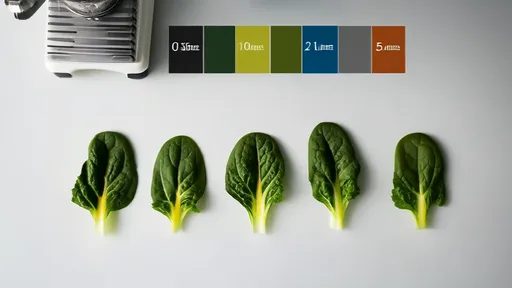
The duration of immersion is another variable that demands careful consideration. Shorter soaking times may result in insufficient moisture loss, leaving the vegetables prone to spoilage, while prolonged exposure can lead to excessive salt uptake and texture degradation. Empirical data suggest that most vegetables achieve optimal dehydration within 2 to 6 hours, though this window can vary based on the vegetable's initial moisture content and thickness. Thinly sliced or grated vegetables, for example, dehydrate faster than whole or thick-cut pieces due to their larger surface area-to-volume ratio.
Beyond the technical aspects, the choice of vegetable also dictates the efficacy of saline water immersion. Vegetables with high initial water content, such as cucumbers or zucchinis, exhibit faster dehydration rates compared to those with lower moisture levels. Similarly, the cellular structure and porosity of the vegetable influence how readily water is released. For instance, eggplants, with their spongy texture, tend to absorb more salt during the process, which can affect both the dehydration rate and the final product's flavor profile.
Quality assessment of osmotically dehydrated vegetables extends beyond mere moisture loss. Parameters such as color retention, texture, and nutrient content are equally important. Saline water immersion has been shown to better preserve the natural color of vegetables compared to air drying or freeze drying. The salt in the brine can also act as a mild preservative, further extending shelf life without the need for synthetic additives. However, careful rinsing or blanching post-dehydration is often necessary to reduce surface salt and maintain palatability.
From an industrial perspective, scaling up low-temperature osmotic dehydration presents both opportunities and challenges. The method's energy efficiency and ability to produce high-quality products align with consumer demand for clean-label foods. Yet, optimizing large-scale brine management and ensuring consistent quality across batches require sophisticated equipment and process control. Innovations such as vacuum-assisted osmotic dehydration or pulsed electric field pretreatment are being explored to enhance efficiency and reduce processing times without compromising the benefits of low-temperature treatment.
In conclusion, low-temperature osmotic dehydration via saline water immersion offers a promising avenue for preserving vegetables while maintaining their nutritional and sensory attributes. By carefully modulating salt concentration, temperature, and immersion time, producers can achieve desired dehydration rates without sacrificing quality. As the food industry continues to prioritize sustainability and health-conscious processing methods, this technique is poised to play an increasingly vital role in modern food preservation strategies.

By /Jul 24, 2025

By /Jul 24, 2025

By /Jul 24, 2025
By /Jul 24, 2025

By /Jul 24, 2025
By /Jul 24, 2025
By /Jul 24, 2025
By /Jul 24, 2025
By /Jul 24, 2025

By /Jul 24, 2025

By /Jul 24, 2025

By /Jul 24, 2025
By /Jul 24, 2025
By /Jul 24, 2025

By /Jul 24, 2025
By /Jul 24, 2025
By /Jul 24, 2025

By /Jul 24, 2025
By /Jul 24, 2025

By /Jul 24, 2025
