The world of baijiu fermentation is a symphony of chemical interactions, where ester formation plays the lead role in crafting the spirit's aromatic profile. Unlike Western distillates that often rely on barrel aging for flavor complexity, Chinese baijiu derives its distinctive character primarily from microbial alchemy during solid-state fermentation. This ancient process, refined over millennia, transforms humble grains into a liquid tapestry of fragrances ranging from tropical fruit to earthy musk.
At the heart of baijiu's olfactory magic lies the intricate dance between yeasts, bacteria, and molds. These microorganisms don't merely produce alcohol—they engineer a biochemical orchestra where esterification reactions create volatile compounds that define regional varieties. The sorghum-based mash becomes a living laboratory where enzymes from Rhizopus and Aspergillus molds collaborate with yeast metabolites to build ester chains. Temperature fluctuations in fermentation pits act as a conductor, accelerating or tempering these reactions to create balance.
The ester profile of premium baijiu reads like a perfumer's formulary. Ethyl hexanoate delivers apple and anise notes, while ethyl lactate contributes creamy undertones. Isoamyl acetate, the same compound that gives bananas their signature scent, appears in varying concentrations across baijiu subtypes. What fascinates researchers is how these esters interact—sometimes amplifying each other like musical harmonies, other times creating entirely new aromatic perceptions through synergistic effects.
Regional distinctions emerge through microbial terroir. Jiangxiang-style baijiu develops intense ethyl caproate concentrations from pit mud bacteria, yielding pineapple-like aromas. The light-aroma Fen-style relies more on ethyl acetate's fresh, solvent-like quality balanced by subtle ethyl phenylacetate floral notes. These differences stem not from recipe variations, but from centuries-old microbial ecosystems inhabiting each distillery's fermentation environment.
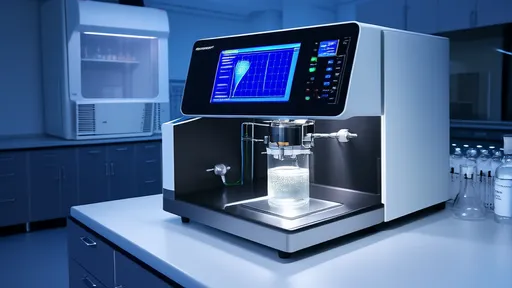
Modern gas chromatography studies reveal how traditional fermentation techniques optimize ester production. The layered fermentation process—where fresh grain is added to partially fermented material—creates a biochemical cascade. Younger mash provides enzymes that break down starches, while older material contributes fatty acids for ester synthesis. This staggered approach, developed empirically over generations, proves more effective at building complex aromas than single-batch fermentation.
Climate exerts surprising influence on ester formation. Winter fermentations in northern China tend to produce higher concentrations of long-chain ethyl esters, resulting in heavier, more persistent aromas. Summer batches favor volatile short-chain esters that create brighter top notes. Master blenders have long known this seasonal variation, adjusting distillation cuts accordingly—a practice now validated by mass spectrometry analysis showing 15-20% seasonal ester profile differences.
The role of pit mud in ester synthesis deserves particular attention. Aged fermentation pits develop unique bacterial communities that metabolize grain lipids into precursor acids. Geobacter and Clostridium species in the pit walls produce butyric and caproic acids that later esterify during distillation. This explains why new production pits require years to develop full aromatic potential—the microbial ecology needs time to establish the necessary metabolic pathways.
Distillation techniques further shape the ester profile. Unlike Western column stills that favor purity, baijiu's traditional pot stills deliberately carry over non-volatile precursors. These compounds undergo secondary esterification in the receiver, creating evolving aromas during aging. The practice of huishao—redistilling leftover grains—introduces even more ester diversity through Maillard reaction byproducts.
Recent breakthroughs in metagenomics have mapped the complete esterification pathways in baijiu fermentation. Scientists identified seven previously unknown enzymatic routes for ester synthesis, including a novel transesterification mechanism in Pichia yeast strains. This discovery explains how certain baijiu styles achieve ester concentrations exceeding 500 mg/L—far beyond most other spirits.
The artistry of baijiu blending hinges on ester management. Master blenders assess not just individual ester concentrations, but their proportional relationships. A 3:1 ratio of ethyl hexanoate to ethyl lactate might define one style's signature, while another requires precise ethyl butyrate modulation to prevent overpowering fruitiness. This nuanced approach mirrors perfumery more than conventional spirit production.
As global interest in baijiu grows, understanding its ester chemistry becomes crucial for quality standardization. However, producers face the challenge of maintaining microbial diversity while ensuring consistency. Some distilleries now employ hybrid techniques—using traditional fermentation pits inoculated with characterized microbial consortia. This marriage of ancient practice and modern microbiology may define baijiu's next aromatic evolution.
Ultimately, baijiu's aromatic complexity stands as a testament to China's microbiological mastery. Where other cultures developed sterilization techniques, Chinese fermentation traditions embraced microbial chaos—harnessing it to create one of the world's most chemically intricate spirits. The ester map of baijiu continues to reveal new territories, inviting connoisseurs to explore its fragrant frontiers.
By /Jul 24, 2025
By /Jul 24, 2025
By /Jul 24, 2025
By /Jul 24, 2025
By /Jul 24, 2025
By /Jul 24, 2025
By /Jul 24, 2025
By /Jul 24, 2025
By /Jul 24, 2025
By /Jul 24, 2025
By /Jul 24, 2025
By /Jul 24, 2025
By /Jul 24, 2025
By /Jul 24, 2025
By /Jul 24, 2025
By /Jul 24, 2025
By /Jul 24, 2025
By /Jul 24, 2025
By /Jul 24, 2025

By /Jul 24, 2025
