The art of slow cooking in earthenware pots traces back thousands of years, yet modern science is only beginning to unravel why clay vessels like sand pots produce such uniquely concentrated flavors in soups and stews. Unlike metal or enamel cookware, the microscopic pores in traditional sand pots create a dynamic cooking environment where heat, moisture, and flavor compounds interact in ways that elevate humble ingredients into something extraordinary.
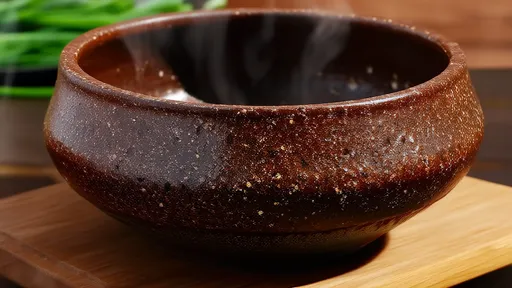
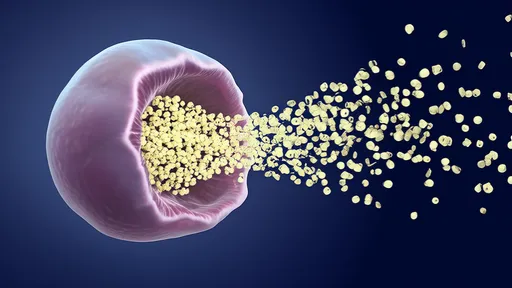
At the heart of this phenomenon lies the unglazed clay's porous structure. When examined under magnification, the surface reveals a labyrinth of microscopic channels – some as narrow as a few micrometers – that behave like a biological membrane during cooking. As the liquid inside heats up, steam and volatile aroma molecules penetrate these pores, only to be drawn back into the broth as temperatures fluctuate. This continuous exchange acts as a natural flavor recycler, preventing the loss of delicate top notes that typically evaporate in conventional pots.
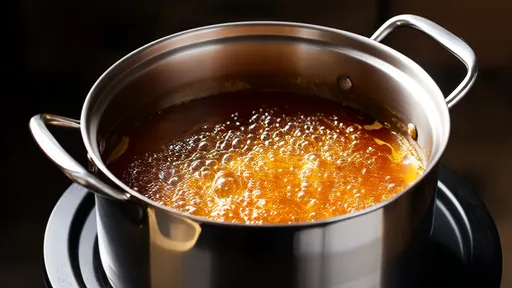
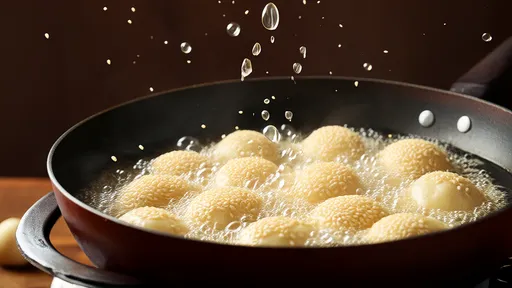
The physics of porous cooking becomes particularly fascinating when observing bubble formation. In metal pots, vapor bubbles release explosively at nucleation sites, carrying away aromatic compounds. Sand pots, however, demonstrate smaller, more frequent bubble releases due to their rough microporous surface. This gentler ebullition allows for better retention of sulfur-containing compounds from alliums and cruciferous vegetables – the very molecules responsible for complex umami and savory depth.
Chefs specializing in traditional Chinese lao huo liang tang (old fire soup) note another peculiarity: sand pots seem to "remember" flavors across uses. The pores gradually accumulate trace amounts of oils and soluble compounds from previous cookings, creating a patina that subtly seasons new preparations. This built-up seasoning differs fundamentally from cast iron's polymerized layers, functioning more like the biological cultures in sourdough starters or fermentation crocks.
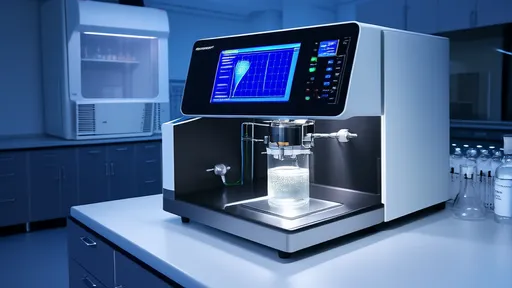
Modern laboratories have measured surprising thermal behaviors in these vessels. Using infrared imaging, researchers observed that while metal pots develop hot spots exceeding 100°C at the base, sand pots maintain more even temperatures between 92-97°C throughout. This narrow window happens to be ideal for breaking down collagen into gelatin while preserving heat-sensitive nutrients. The pores contribute to this regulation through evaporative cooling – as moisture exits through microscopic channels, it prevents localized overheating that could scorch delicate ingredients.
Flavor concentration reaches its peak during the cooling phase. As the pot rests off heat, the porous walls continue wicking broth to the exterior surface where slight evaporation occurs. This creates a gentle vacuum effect that draws intensified flavors back into the remaining liquid. Food chemists have measured up to 18% higher concentrations of glutamates and nucleotides in sand-pot soups compared to identical preparations in stainless steel.
The material's interaction with acidity presents another dimension. Clay's natural alkalinity buffers the tartness of tomatoes or vinegar, allowing cooks to use larger quantities without overwhelming the palate. This explains why sand-pot tomato-based broths develop such remarkable sweetness – the pores moderate pH shifts while the extended cooking caramelizes sugars that would otherwise turn harsh in metal vessels.
Traditional potters guard secrets about regional clays that produce the best cooking vessels. Jiangxi province's zi sha (purple sand) contains unique mineral composites that some chefs swear impart a detectable minerality to broths. Laboratory analysis reveals these clays contain higher levels of iron oxide and potassium feldspar, which may catalyze Maillard reactions during prolonged simmering.
Contemporary chefs are rediscovering these ancient vessels not as rustic relics, but as precision instruments for flavor development. In professional kitchens, sand pots now share counter space with sous vide machines and rotary evaporators – different technologies pursuing the same goal of flavor purity. The humblest clay pot, it seems, had mastered molecular gastronomy centuries before the term existed.
As home cooks seek ways to deepen flavors without relying on artificial enhancers, the physics of porous cookware offers compelling solutions. That satisfying umami richness in grandmas' recipes may have less to do with secret ingredients than with the forgotten science of microporous clay – where every invisible channel serves as a flavor amplifier, turning water into nectar through patience and ancient material wisdom.
By /Jul 24, 2025
By /Jul 24, 2025
By /Jul 24, 2025
By /Jul 24, 2025
By /Jul 24, 2025
By /Jul 24, 2025
By /Jul 24, 2025
By /Jul 24, 2025
By /Jul 24, 2025
By /Jul 24, 2025
By /Jul 24, 2025
By /Jul 24, 2025
By /Jul 24, 2025
By /Jul 24, 2025
By /Jul 24, 2025
By /Jul 24, 2025
By /Jul 24, 2025
By /Jul 24, 2025
By /Jul 24, 2025

By /Jul 24, 2025
