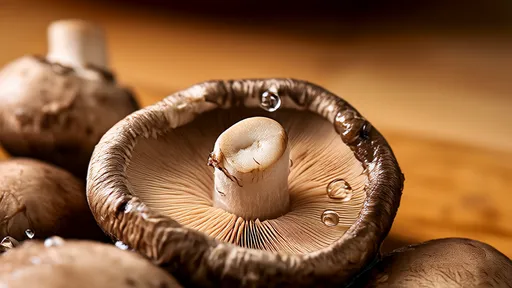
The umami-rich compounds found in dried shiitake mushrooms have long captivated chefs and food scientists alike. When these dehydrated fungi undergo rehydration, a complex symphony of flavor molecules emerges, transforming simple dishes into culinary masterpieces. The process isn't merely about restoring moisture but rather unlocking an intricate network of nucleotides and amino acids that create the distinctive savory taste.
Understanding the biochemical magic behind dried shiitake rehydration requires examining the unique composition of these mushrooms. During the drying process, enzymes naturally present in fresh shiitake begin breaking down cellular structures, converting ribonucleic acids into flavor-enhancing 5'-nucleotides. The most significant of these, guanylate (GMP), reaches concentrations up to ten times higher in dried specimens compared to their fresh counterparts. This compound, when combined with glutamate from other ingredients, produces the synergistic umami effect that makes rehydrated shiitake so valuable in culinary applications.
The rehydration method profoundly impacts the release and preservation of these delicate flavor compounds. Traditional soaking in cold water over several hours allows for gradual extraction, while warmer temperatures accelerate the process but risk degrading heat-sensitive nucleotides. Professional kitchens often employ a two-stage approach - an initial quick rinse to remove surface debris followed by a gentle soak at around 60°C (140°F) to optimally extract both soluble proteins and nucleotide flavors without destroying the mushroom's texture.
Recent studies have revealed fascinating temporal patterns in umami compound release during rehydration. The first 30 minutes see a rapid surge of free amino acids, followed by a slower, sustained release of 5'-nucleotides over the subsequent 2-4 hours. This staggered emergence explains why some culinary traditions reserve both the rehydrated mushrooms and their soaking liquid - the former contributes texture and sustained flavor release during cooking, while the latter provides an immediate umami boost to broths and sauces.
The mineral content of the rehydration water plays an underappreciated role in flavor extraction. Hard water with higher calcium concentrations tends to yield better nucleotide extraction but can toughen mushroom cell walls, while soft water produces more delicate textures but may leave some flavor compounds trapped within cellular structures. Some innovative chefs now experiment with controlled mineral solutions, mimicking the natural spring waters used in traditional Asian culinary practices for optimal results.
Culinary applications of rehydrated shiitake demonstrate the versatility of these umami powerhouses. In vegetarian cuisine, they often serve as meat substitutes, their glutamates and nucleotides providing the satisfying savory depth typically associated with animal proteins. When combined with ingredients naturally high in glutamate (like tomatoes or Parmesan) or other nucleotide-rich foods (such as dried seafood or mushrooms), the resulting flavor amplification follows what scientists call the "umami synergy effect," where the combined impact exceeds the sum of individual components.
Modern food technology has begun harnessing these principles for industrial applications. Extraction techniques originally developed for shiitake rehydration now inform processes for creating natural flavor enhancers and meat analogs. The controlled enzymatic breakdown observed in dried mushrooms inspires new approaches to developing plant-based proteins with more complex, meat-like flavor profiles. Meanwhile, molecular gastronomy chefs push boundaries by isolating shiitake-derived nucleotides to create unexpected umami experiences in avant-garde dishes.
The cultural dimension of dried shiitake rehydration reveals centuries of accumulated wisdom. Traditional Japanese cooks would store dried mushrooms near the stove, allowing daily cooking steam to gradually rehydrate them over weeks, a slow process believed to develop superior flavor. Chinese culinary texts from the Ming Dynasty describe layered rehydration techniques alternating between misting and drying periods to concentrate savory compounds. These historical methods, now understood through the lens of food science, demonstrate an intuitive grasp of biochemical processes long before modern analysis confirmed their efficacy.
Nutritional research adds another layer of appreciation for rehydrated shiitake. Beyond their flavor contributions, the bioavailable compounds released during proper rehydration show potential health benefits, including immune-modulating properties and cardiovascular support. The rehydration process appears to increase the accessibility of certain bioactive compounds that remain bound in fresh mushrooms, creating a functional food that bridges the gap between nutrition and sensory pleasure.
As global cuisine continues to evolve, the humble dried shiitake maintains its status as both a traditional staple and a modern culinary tool. From street food stalls to Michelin-starred restaurants, the careful rehydration of these mushrooms represents one of food culture's most elegant intersections of science and tradition. The ongoing exploration of their umami potential promises to yield both new gastronomic techniques and deeper understanding of how humans perceive and appreciate complex flavors.
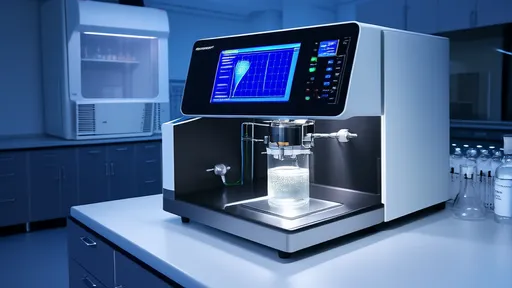
The future of dried shiitake applications may lie in precision rehydration technologies. Emerging techniques like ultrasonic-assisted extraction and controlled humidity environments could allow for even more efficient release of desirable compounds while minimizing flavor loss. As plant-based diets gain popularity worldwide, the ability to maximize umami extraction from fungal sources will only grow in importance, positioning the centuries-old practice of shiitake rehydration as unexpectedly relevant to contemporary food innovation.
By /Jul 24, 2025
By /Jul 24, 2025
By /Jul 24, 2025
By /Jul 24, 2025

By /Jul 24, 2025
By /Jul 24, 2025
By /Jul 24, 2025
By /Jul 24, 2025
By /Jul 24, 2025
By /Jul 24, 2025
By /Jul 24, 2025
By /Jul 24, 2025
By /Jul 24, 2025
By /Jul 24, 2025
By /Jul 24, 2025
By /Jul 24, 2025
By /Jul 24, 2025
By /Jul 24, 2025
By /Jul 24, 2025

By /Jul 24, 2025
